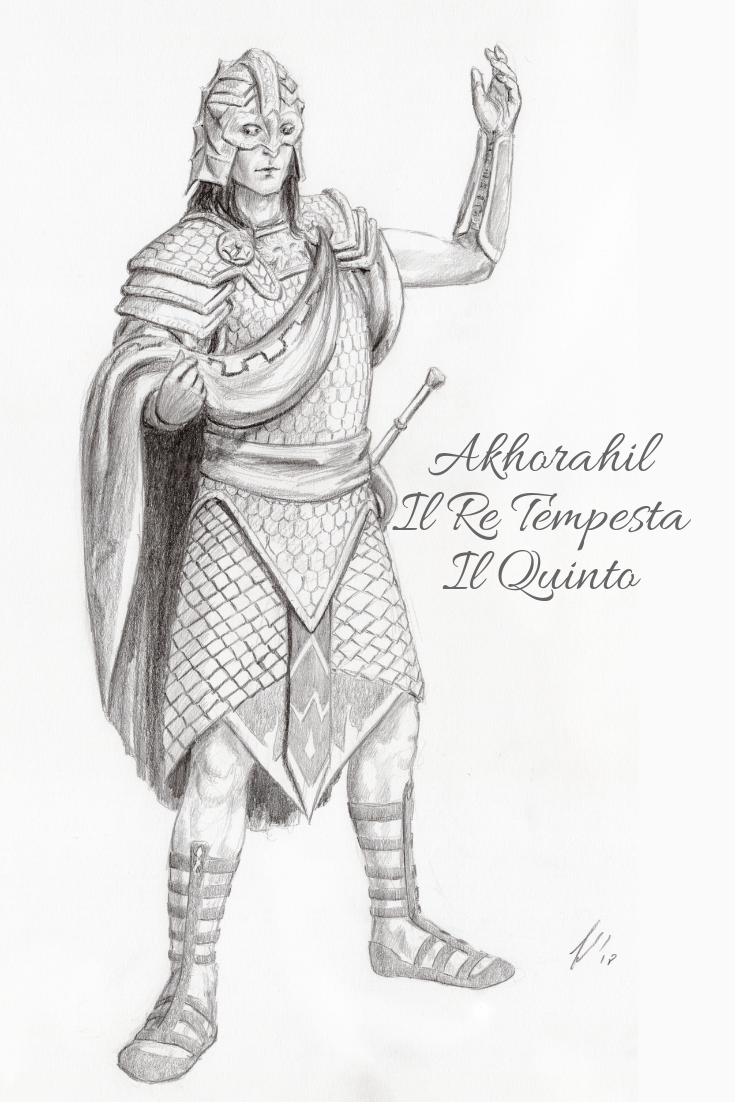
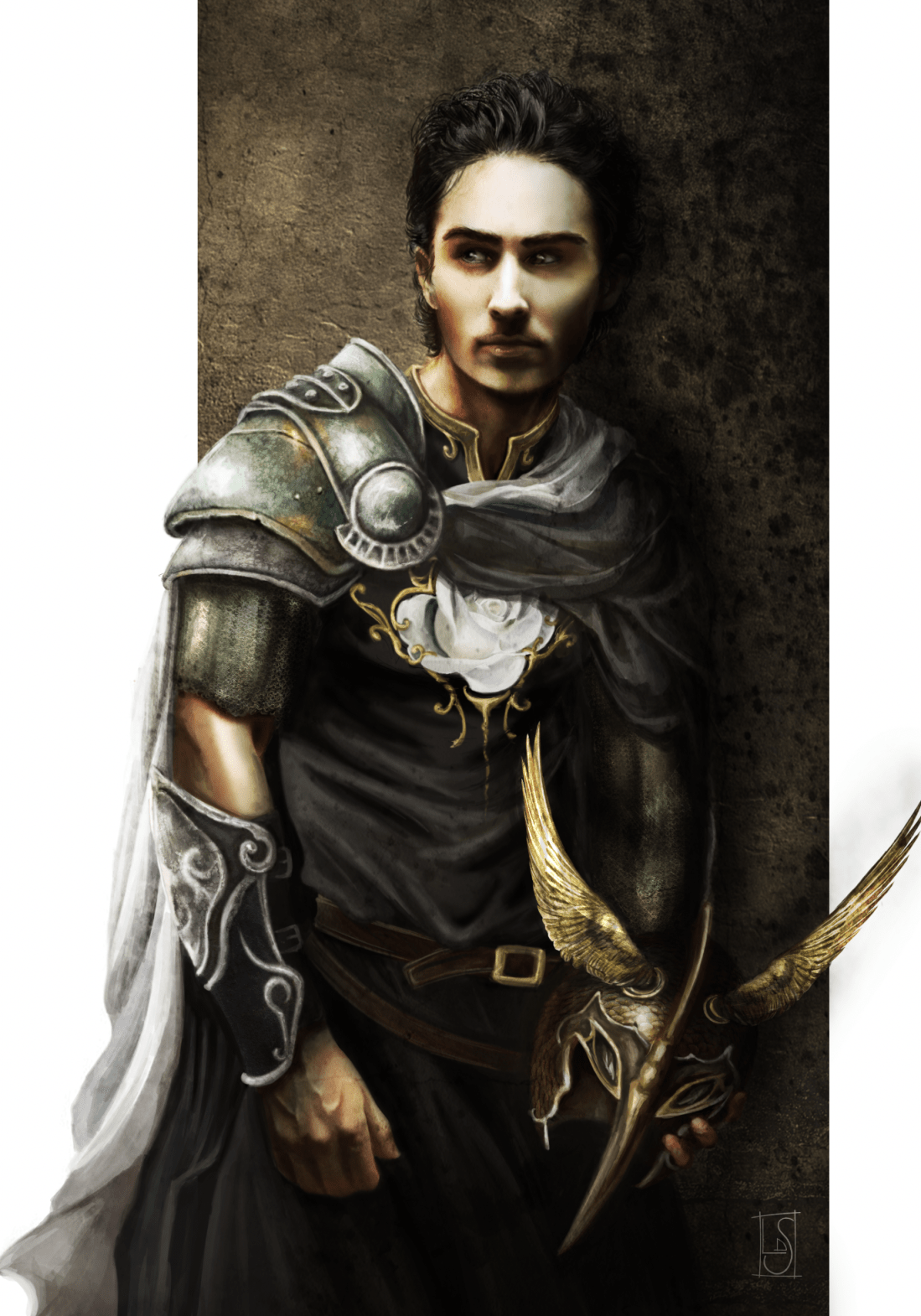
Akhorahil, the Storm King, the Fifth Nazgul

Born in the year 1888 of the Second Age, Akhorahil was the first son of Ciryamir, belonging to the same lineage as the king of Numenor, Tar-Ciryatan; although he was a Man of prodigious strength and a far-sighted mind, Akhorahil was corrupted by his unbridled ambition. In 1904, Ciryamir obtained a license from the ruler to found and administer a royal colony in the south of Middle-earth. The following year, Akhorahil sailed with his family to disembark with his army at the port of Hyarn, in Endor and from there, across the Aronduin River, to the newly founded citadel of Barad-Caramun (Sunset Tower ). There, Ciryamir founded the realm of Ciryatandor, and it extended from the sea to the foothills of the Yellow Mountains.

Young in mind and body, Akhorahil enjoyed his new home, but his spirit longed to strike fear into those around him; such was his ambition that he applied himself with iron will to the study of the dark arts, yet the results obtained in this field did not fully satisfy his reputation for power. It was not many years before his heart began to claim his father’s throne, until in 1918 he promised an elderly Harad priest that he would trade his blue eyes for the two Dominion Gems, the same ones that had allowed his previous one. possessor of becoming the foremost expert of the Dark Arts in the realm of the Haradrim.

Soon, the cruel Numenorean used these artifacts to control his father’s mind and lead him to madness and finally to suicide: in this way, the one who now called himself the Storm King, obtained the paternal throne and married his sister Akhoraphil.

During the twentieth century, Akhorahil conquered vast lands in the south of Middle-earth, arousing the interest of Sauron, who wanted to take possession of this realm: an ambassador was sent to the Storm King, with the secret task of offering the Numenorean the fifth Ring of Power of Men, promising him unlimited knowledge and glorious immortality. Consumed by greed and ambition, Akhorahil tied his soul to that of the Dark Lord, obtaining his Ring in 2002.

For the next two hundred and fifty years, the Storm King was not seen by any of his subjects, while his wife and firstborn left the court, shocked by the metamorphosis that the mad Numenorean had undergone; the Nazgul, however, decreed premature to reveal himself to the world and continued to pay tribute to Numenor, who did not want to arouse suspicion in the king’s court. Finally, when the time was ripe, he proclaimed the independence of Ciryatandor, mocking the attempts of his ruler, Tar-Ancalimon, to bring the subject back to obedience: after a few years, the armies of Numenor annihilated the kingdom of the Storm King; however, he had fled to the last district where his enemies would have sought him, and elected Elenna herself as his new homeland, residing on the island of the Gift until the reign of Tar-Palantir, who proved incorruptible to the action of his servants. Deep in the Harad, the Nazgul had founded an impregnable fortress and went there when he fled from Numenor; to his great disappointment, however, Erfea Morluin went into the dark depths of her home, discovering the true identities of the Ulairi there. Great anger broke into his heart the Storm King when his citadel was violated and furious he swore to slaughter with his own hands the one who had dared to do such an act.

Vedi anche la versione italiana:

Akhorahil, il Re Tempesta, il Quinto

Do you want help me? https://gofund.me/7d835e8d
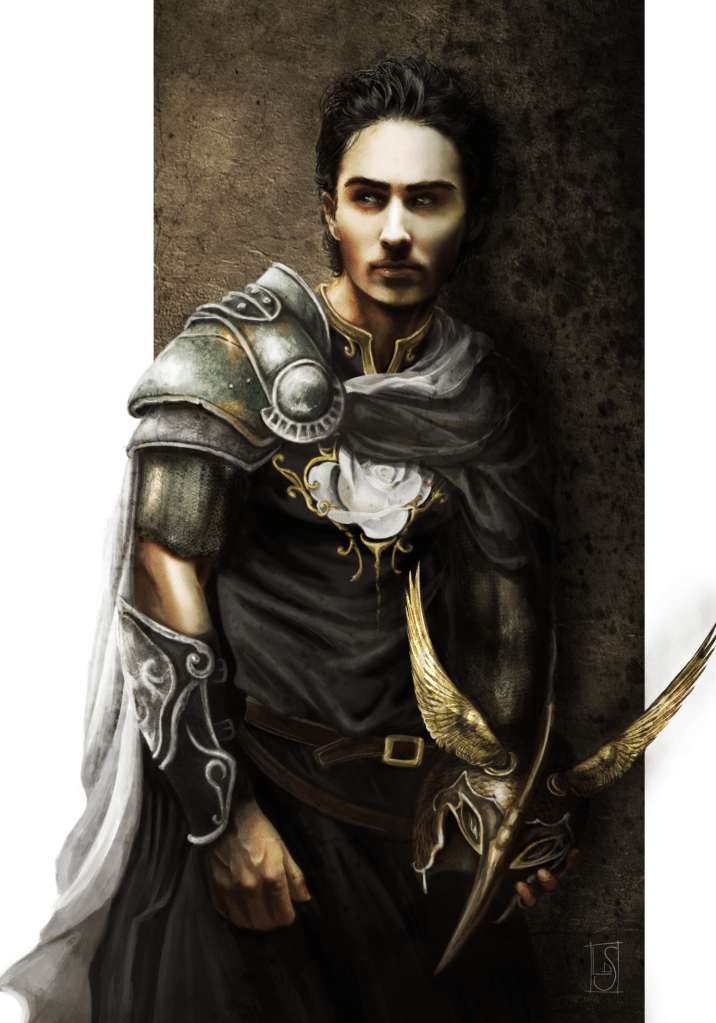
Indur, the Death of Dawn.The Fourth Nazgul

Born in the city of Korlan in 1935 of the Second Age, Ji Indur was the heir to a wealthy family from the republic of Koronande; he possessed a very ambitious character since adolescence, becoming the youngest elected governor in that district. When he became a member of Koronande’s council, he promoted a policy aimed at countering Numenor’s influence on his homeland; in fact, under the reign of Tar-Ciryatan, Numenorean warships appeared for the first time in the republic’s waters, arousing considerable concern in the governor’s soul.

The influence of the Numenoreans undermined the social and political foundations of Koronande, to the point that Indur feared for the very survival of his power: made fearful by this threat, with a coup, Indur dissolved the national assembly and proclaimed himself king by Koronande. However, this political solution was not shared by most of Korlan’s people, who were proud of their freedom, nor would they allow Indur to extend his power: over the next twenty-three years, a series of civil wars and rebellions occurred. The intervention of the Numenorean settlers of Tantarak, who poorly tolerated such disorders, led Indur to re-take his kingdom, but a last popular uprising, commanded by the governor of Korlan, one of the strongholds of the new kingdom, led the sovereign into exile and restored the republic.

Ji Indur fled to Mumakan, the seat of many agents of Sauron since the eighteenth century of the Second Age: there he found hospitality and salvation, which was known to the Dark Lord, who thought he was using the fallen king to extend his power to South and offered him a new throne.

A dark alliance was signed between the young king and Sauron, and the corrupt Maya gave him the fourth Ring of Men in the year 2001: Ji Indur became a slave of the Dark Lord.

The new king of Mumakan changed his name to Ji Amaav II, so that the people believed that he was truly the descendant of the previous ruler, the first who had placed on his head the crown made from the ivory of the mumakil: the Nazgul reigned for one thousand two hundred sixty-two years, managing to subdue the Numenorean colony of Tantaruk, until, with the arrival of Ar-Pharazon’s armies, he had to flee, taking refuge in the jungles of the Harad.

Over the next few years, he learned their fighting strategies from the Haradrim and became their ruler. During the siege of Gondor, he led his armies to the front line and few were those who could look at the crown of King Mumakan without feeling awe; at the end of the war, however, he fell into Darkness along with his Dark Lord, when he was deprived of his Ring.

See also:

Indur, la Morte dell’Alba, il Quarto

Do you want help me? https://gofund.me/7d835e8d
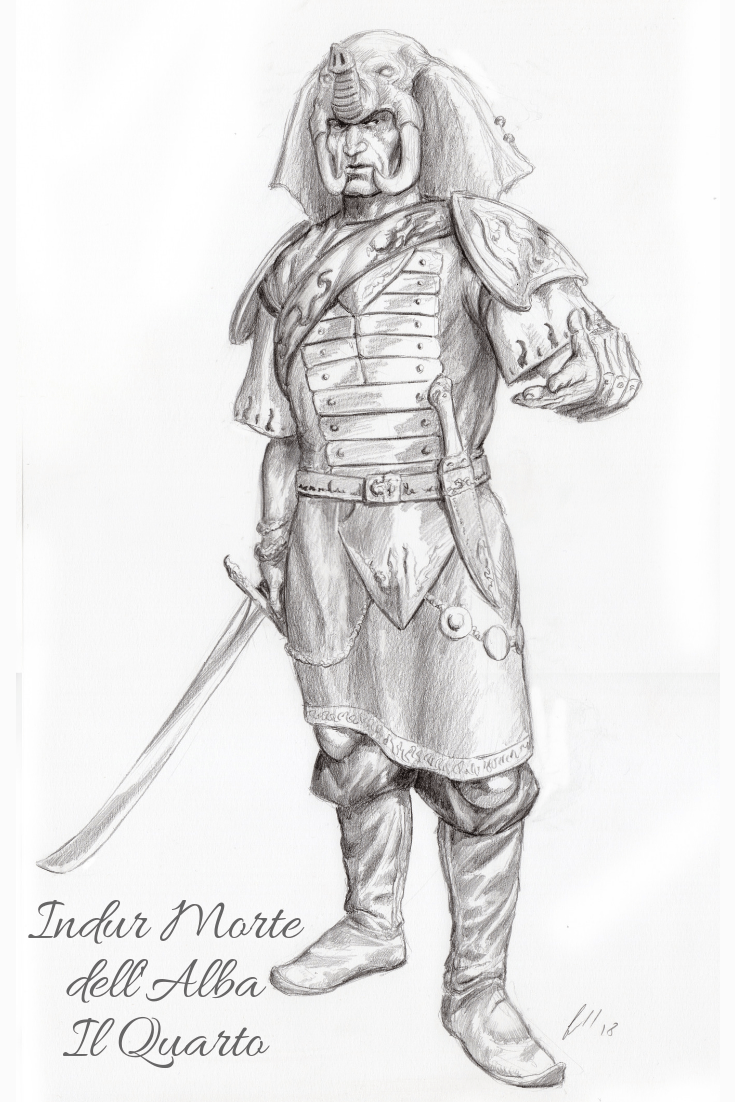
Dwar of Waw, Third of the Nazgul

Dendra Dwar was born in the year 1949 of Second Age on the Isle of Waw, the son of a Wolim fisherman named Dendra Wim and a washerwoman, Ombril, who died giving birth to him. Dwar had a difficult childhood, marked by grief for the loss of his mother and the hard work he had to practice since the age of seven: taciturn and melancholy, the young fisherman nevertheless nurtured a boundless ambition that grew with him and determined his bitter fate; His island seemed cramped to him and he wanted to explore the coasts of Middle-earth which, in the clear summer dawns, were visible from the boat where he worked.

The isolation of Waw from the continent of Endor ended in 1965, when the warriors of the K’Prur of Hent landed on the island, sacking Horn, the hometown of Dwar: the enemy forces savagely slaughtered the Wolim inhabitants, burning their houses and ports. ; Dwar, his brother Dwem and his father Wim found refuge in the quarries that stretched beneath the cliffs of the west coast. Wim, seriously wounded while fleeing from an enemy javelin, died a few weeks later: the young Dendra swore on his father’s spirit that he would exterminate the aggressors of their people and prepared himself for the hard task that this oath obliged to fulfill.

Dendra sailed north, directed to the land of Wol, to learn the war strategies of the Wolim tribes who lived there: Dwar knew that in this district the knowledge would be revealed to him to remove the enemy from his homeland and served in the armies of Wolim for many years.

In a short time Dwar gained great fame among those people, for he had become a fierce and relentless warrior: as an explorer of Wol’s armies, he learned the Arts of speech and command necessary to tame the ferocious war hounds that terrorized warriors of Hent, whose bodies were protected by light leather armor; however, although Dwar was considered by his comrades to be a brave warrior, he aspired to obtain knowledge such as never a Man of his lineage had learned. In 1974, Dendra became a student of Embra Silil, an elderly priest of the cult of Morgoth and he revealed the arcane to him. Dark Arts. For a long time the young magician applied himself in such studies, demonstrating a talent which few of the Second Born could boast of possessing. In 1980, Dwar assumed the position of Lord of the Dogs and led a contingent of his troops against the citadel of Alk Waw and wrested it from the control of the Hent warriors: using his Dark Arts and his legions of dog warriors, after a year of siege, broke the lines of his enemies.

During these long months, thanks to the combined action of two thousand fighting dogs and his Men, he extended his influence to the whole island: having won the victory, Dwar proclaimed himself High Guardian of the island and refused to recognize the authority of the Council of Elders.

Waw became known as the Isle of Dogs, governed by the strict laws enacted by the Wolim lord himself; yet, despite his father having been avenged, Dwar set his greedy eyes on the surrounding lands, not content with having fulfilled his oath, for his ambition had become great and it now measured itself by virtue of the achievements he foresaw to obtain: in the Within a few years, Wol, Brod, Cimonienor and Hent fell under his control and by 1998, Dendra’s power had spread throughout the far east of Middle-earth.

The lord of the Dogs, however, was not satisfied with how much his lust for power had allowed him to acquire and feared death above all else, for it longed to escape if the time came: quickly then he seized the offer of immortality that Sauron of Mordor offered him and he fell under the rule of the Shadow, accepting the third of the Rings of Men in the year 2000.

Slowly his likeness was consumed by the evilness of the Ring and Dwar finally mutated into an immortal specter, in the service of the Dark Lord of Mordor; he too could take physical form if he so wished and in this capacity he controlled the work of his nephew Dendra II, who now held the office of High Guardian of Waw. For two hundred and fifty years, the third of the Nazgul remained in the shadow of the tower of Alk Waw, until he led his legions to the land of Mordor, where he served his Dark Lord in the following centuries of the Second Age.

Versione italiana

Dwar di Waw, il Terzo, il Signore dei Cani

Do you want help me? https://gofund.me/7d835e8d
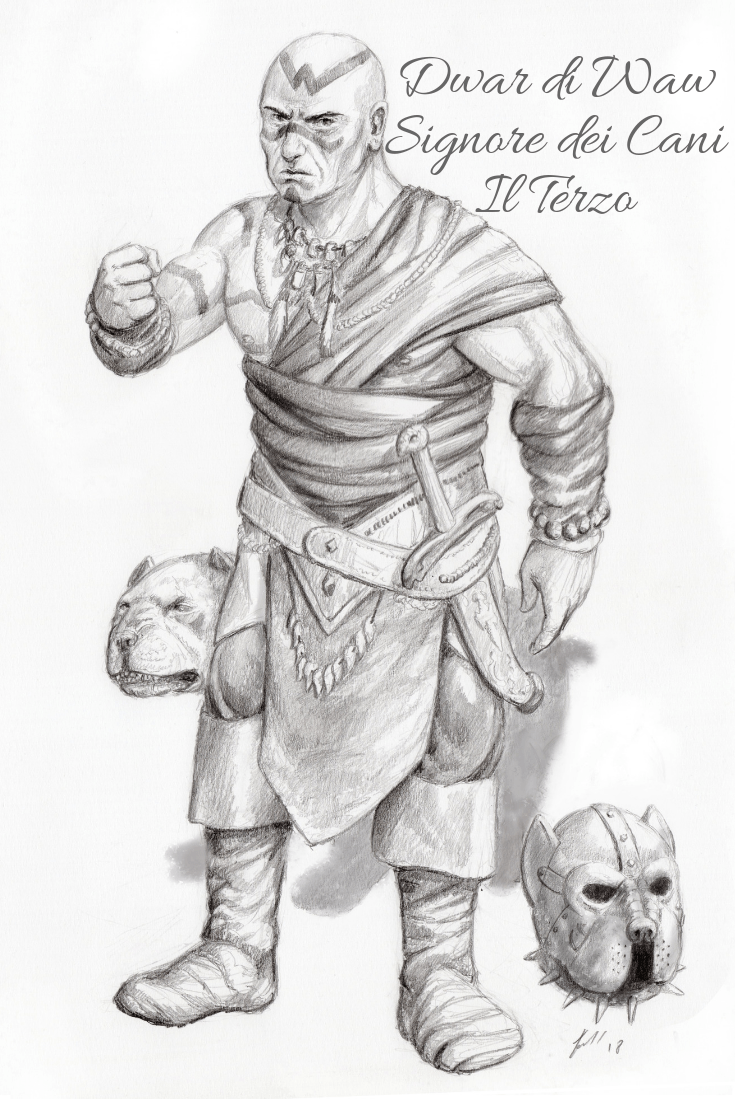
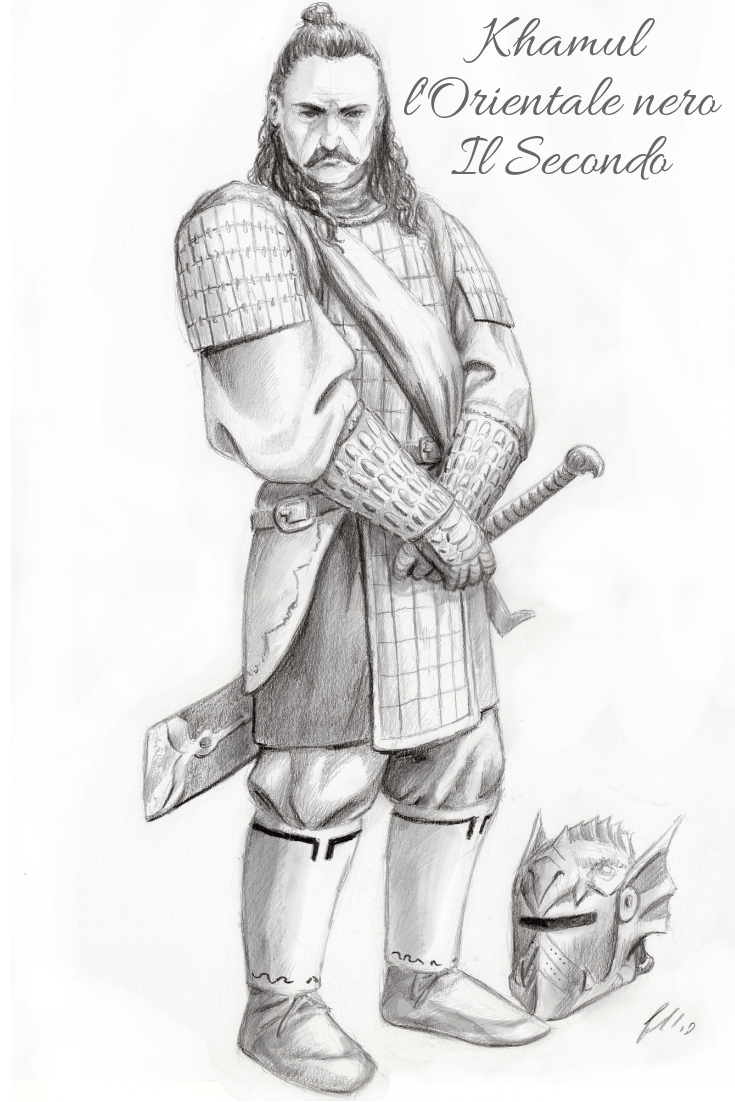
Khamul the Shadow of the East. The second Nazgul

The second of the Nine in power, was named Komul I and was born in the year 1799 of the Second Age in the city of Laeg-Goak, located in the extreme east of Middle-earth: he was the eldest son of Hionvar Mul Tanul of Womaw , and had as a nurse Dardarian, wife of a Avar Elven prince, who later became his first adviser, until his accession to the throne in the year 1849. The influence of the ambitious Elf was very strong towards Komul, so much so as to push him to desire immortality above all other ambitions; in fact, despite having elven blood in his veins, he was not of the lineage of the firstborn, and the duration of his existence, despite being longer than that of his subjects, seemed to him very little. The kingdom of Womaw was the most powerful of those extending to the east of Middle-earth, and its inhabitants were subject to the influence of the Avar Elves, from whom they had learned the arts of speech and woodwork: they descended from the same fathers of the Numenoreans, and their wealth exceeded in splendor that of the surrounding kingdoms.
Komul I was fascinated by the greatness of the Edain heirs, and under his reign, the influence of Numenor’s ambassadors increased, much to the chagrin of his people, angered by their continued interference in their affairs. Since the Numenoreans had begun to have trade relations with the kingdom of Womaw, many colonies had been established in their territories; during the reign of Komul, however, the men of the West had begun to fortify their possessions, obtaining numerous concessions from the sovereign, with the only result of exasperating popular discontent. From 1944, the internal stability of the realm was threatened by the riots of many of the lords of the Womaw, who failed to loyalty to their lord: Komul, desperate and helpless, turned to the ancient adviser Dardarian, who seduced him with its beauty and the promise of immortality; he accepted, and made an alliance with the Avar kingdom of Hekaneg; this political move allowed him, the following year, to withdraw the concessions made to the Numenoreans, preventing his kingdom from disintegrating; however, the fall of the Womaw had only been postponed, as Dardarian was a spy for Sauron of Mordor and had been commissioned by Sauron to corrupt Komul. In 1999, the Elf handed over the artifact that would grant him immortality and infinite slavery under the yoke of the Lord of the Rings into the hands of the womaw king; the disappearance of Komul, the following year, opened a season of bloody struggles for the throne. Murderers and marriage intrigues upset what was once a peaceful nation; finally, five years after accepting the Ring, Komul was forced to abdicate the throne, in favor of the faction supported by the Numenoreans, whose exponent was his cousin Aon. Nobody understood where Komul had fled; it was later learned, however, that at the end of a long pilgrimage, he reached the gates of Barad-Dur in the year 2000 and there he assumed the position of squire of the Dark Lord, changing his name to Khamul, according to the language black of Mordor. The second of the Nazgul remained in Mordor until 3263, when his master was chained to Numenor and he fled east to the lands of the Chey, where his evil influence corrupted three great tribes, whose warriors militated in the files of Mordor during the war against the Last Alliance.

Versione italiana dell’articolo:

Khamul, il Secondo, l’Ombra dell’Oriente.

Do you want help me? https://gofund.me/7d835e8d
Who is the Witch-King?

One of the most fascinating characters of the Lord of the Rings is the Witch King, the Lord of the Nazgul. In this story I have tried to imagine his story before becoming a slave of the Ring. Happy reading, I await your comments!

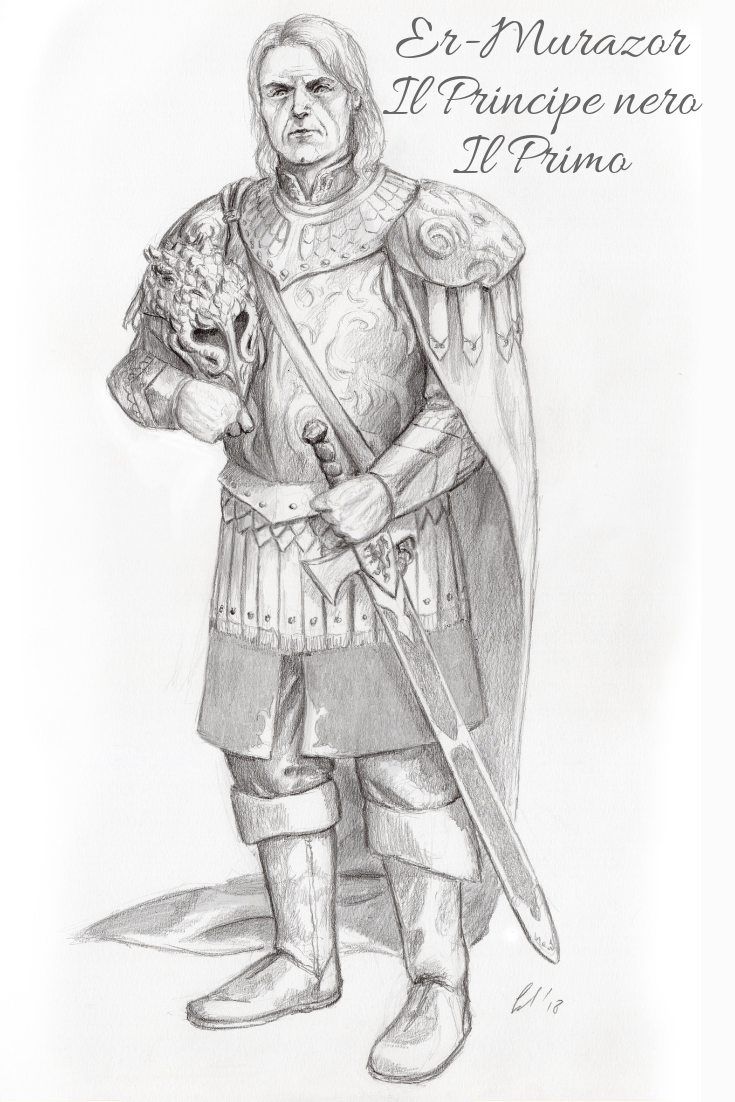
«The second son of Tar-Ciryatan, the twelfth king of Numenor, was named Er-Murazor and became one of the most powerful and influential men on the island. He was born in 1829 Second Age in the port city of Andunie, during a solar eclipse: he was given the name Tindomul (in Quenya “Son of the Double Light”), although those of the court of Tar-Ciryatan, hostile to the Elves, preferred to call him by the Adunaic name of Er- Murazor (the Black Prince).

Er-Murazor was the younger brother of Atanamir the Great, who would soon become king, and was similar to his brother in character: he supported his father’s ambitions and insisted on increasing the exploitation of Middle-earth; he was proud, greedy and ambitious, like his brother and father at the same time; however, because he had been excluded from the succession to the throne, he failed to obtain the favor and attention that was granted to Atanamir. Er-Murazor became jealous of the heir of the scepter and the jealousy soon turned into hatred and irrepressible ambition. Greed consumed the spirit of the Numenorean, so that in 1880 S.E., the Black Prince gathered a small fleet and headed for the shores of Middle-earth, in order to establish his own dominion over those regions. Its first docking took place in Lond Daer, in the south of Eriador, at the mouth of the Gwathlo: Er-Murazor and his army began to control the region, with the intention of seizing the port. His attempt, however, was unsuccessful, and he moved towards Umbar; following a series of clashes, Er-Murazor established his dominion over those regions, much to his brother’s chagrin. Tar-Ciryatan then ordered his second son to pay tribute to Numenor, and the Black Prince promptly refused.

The Dark Lord learned of Er-Murazor’s rancor towards his ancient homeland and his fear of death; he exploited these weaknesses and convinced him that he was the custodian of a knowledge unknown to the sages of Numenor, with which the prince would become invincible. In 1883 S.E. Er-Murazor went to Barad-Dur, becoming a disciple of Sauron; over the next one hundred and fifty years he studied the Dark Arts and became a very powerful sorcerer, to the point that he was unrivaled in Middle-earth, except for the fallen Maia himself, who soon made his pupil the first captain of the armies of Mordor. In the year 1998 S.E., Er-Murazor promised full fidelity to his lord and received the most powerful of the Rings of the Power of Men: the first of the Nazgul, the Black Prince, became known as the Witch King and Lord of Morgul».

See also:

Er-Murazor, il Primo dei Nove

Do you want help me? https://gofund.me/7d835e8d
The Sailor’s Cycle

The Sailor’s cycle, inspired by the events narrated in the Unfinished Tales and in the Silmarillion by J.R.R. Tolkien, delves into the history of the great island of Numenor, from its rise to glory until its fall; witness and at the same time architect of the events of his time is Prince Erfea, of whom the book presents the heroic and often painful events.

From birth until death, during her long existence, Erfea will have the opportunity to interact with characters already known to the public who loves the Tolkien epic: Sauron, the Dark Lord of Mordor; his cruel servants, the Ringwraiths and their evil captain, the Witch King; the wise elves, among which Elrond and Galadriel stand out; the valiant dwarves of Moria and others.

Homage to the voluminous work of the English writer, The Sailor’s Cycle is also a reinterpretation of the chivalrous and classic epos, deepening the psychology of the protagonists and not failing to underline their contradictions and deep concerns, using an ancient language to deal with the universal themes of our civilization and of our age.

Some useful advice for reading: if you are interested in discovering the genesis of my novel, “The Sailor’s Cycle”, I suggest you read these two articles: In principio era…Othello, ovvero come nacque il Ciclo del Marinaio (In the beginning it was … Othello, or how the Sailor’s Cycle was born) and …e arrivò il Marinaio! Corto Maltese, Aldarion ed Erfea (… and the Sailor arrived! Corto Maltese, Aldarion and Erfea).
If, on the other hand, you prefer to read the various stories straight away, you can browse the categories that refer to the various stories, starting with the topmost article in the chronology and ending with the most recent one. To help you in reading these tales and to facilitate the understanding of notable names and events, I suggest you read these articles: Cronologia della vita di Erfea e dei racconti del Ciclo del Marinaio (Chronology of the life of Erfea and the tales of the Sailor’s Cycle) and Dizionario dei personaggi de «Il Ciclo del Marinaio» (Dictionary of the characters of «Sailor’s Cycle»).
Finally, if you want to appreciate other images like the one highlighted in this article, I invite you to take a look at the “Illustrations” category.
To learn more about aspects related to Tolkien’s thought and works, you can read the articles in the category «Characters, places and stories of Tolkien’s works»; if you enjoyed the film versions of “The Hobbit” and “Lord of the Rings”, I suggest you read the articles included in the “Seventh Art” section.
I remain at your disposal for any information and I wish you good reading!

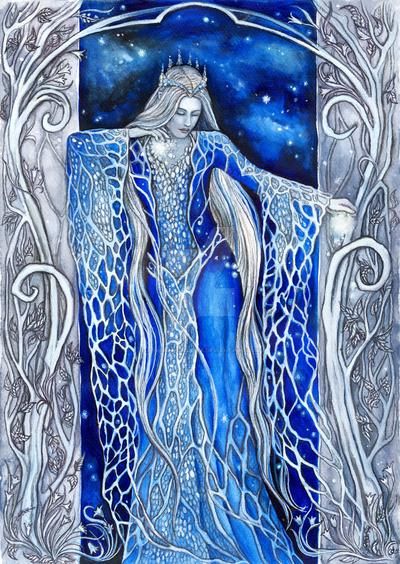
Image «Varda the Star-Queen» by Janka Lateckova

Calculating the years of the Second and Third Age from birth to death of Erfea

Dear readers,
you will find below the main dates related to the biography of Erfea and the other characters of the Sailor’s Cycle.
Enjoy the reading!

3112 Second Age (later abbreviated to S.A.): Erfea, son of Gilnar, Prince of Hyarrostar and Nimrilien, of the Andunie lineage, was born in Minas Laure.

3117 S. A.: Miriel, daughter of Palantir, royal prince of Numenor, and his wife Silwen, was born in Armenelos.

3132 S. A.: Erfea meets Miriel, princess of Numenor, for the first time.

3136 S.A.: Erfea confronts the dragon Morluin and becomes known to the peoples of Middle-earth as Erfea Morluin.

3140 S. A.: Erfea speaks with Sauron in Palantir; death of Silwen, wife of Palantir.

3144-46 S. A.: Erfea makes her first travel to Middle-earth, where establishes friendly relationships with the Lords of the Eldar and meets Tom Bombadil and his wife, Lady Baccador. Before returning to Numenor, Erfea receives from the hands of Gil-Galad the sword Sulring, forged by the elven smiths of Gondolin in the days before his fall.

3146 S. A.: Erfea returns to Numenor, where he is made a knight. In the same year Prince Arthol, supported by a faction of rebellious Numenoreans, attentive to the life of Palantir and his daughter Miriel: the conspiracy is discovered thanks to the revelations of Erfea, and the conspirators are sentenced to death by Prince Akhorahil so that they do not reveal their identities of the real instigators of the attempted murder and of the coup d’état that would have followed.

3146-3253 S. A.: Erfea returns to Middle-earth, where he serves Gil-Galad, the last of the Elven High Kings east of the Sea; he goes to Rhovanion, where he meets Imracar Folcwine, lord of the Eothraim.

3168 S. A.: Groin, son of Bòr, lord of the people of Durin, was born in Khazad-Dum.

3170 S.A.: Erfea ventures to the extreme Harad, where he enters the great fortress of the Nazgul, discovering their real identities.

3183 S. A.: Ewen the Half-elf is born to Edhellond, daughter of a Numenorean sailor and a Noldo.

3254 S. A.: Erfea returns to Numenor, where he succeeds his father, now elderly, in the office of adviser to the sovereign Tar-Palantir.

3255 S. A.: The second civil war breaks out in Numenor: battle of Tharbad, where Erfea inflicts a severe defeat on the Captain of the faction loyal to Pharazon the usurper. At the end of the year, Ar-Pharazon becomes the twenty-fifth ruler of Elenna and marries her cousin Miriel, against her will and the laws of the kingdom.

3256 S. A.: Death of Gilnar and Nimrilien: Erfea becomes the last of the Hyarrostar lords.

3260 S. A.: The infamous oath: all captains of Numenor, except twenty-one, including Erfea and Amandil, swear loyalty to Ar-Pharazon.

3261 S. A.: Erfea is shipwrecked at the mouth of the Anduin and reaches the city of Edhellond, where he meets Elwen the half-elf: in the same year Ar-Pharazon lands at Umbar to subdue Sauron.

3270 S. A.: Erfea abandons Edhellond; the prince of Numenor returns to Imladris, where he meets Celebrian and finds Elrond and Galadriel. In the same year he arrives in Numenor, where he meets Miriel for the last time; fled to the Nazgul, Erfea settles in Osgiliath.

3277 S. A.: Erfea defeats the Black Captain in Edhellond and makes peace with Elwen.

3278–3320 S.A.: Erfea travels throughout Middle-earth, reaching the extreme north, Forochel, and Umbar, where she discovers that the real master of the port has become Sauron, who exercises his power through the Nazgul Adunaphel.

3320 S.A.: With the fall of Numenor (3319 S.A.), the exiled kingdoms of Arnor and Gondor are formed: Erfea is appointed superintendent of King Anarion in Osgiliath.

3429 S. A.: Adunaphel’s armies attack Minas Ithil which is later conquered, while the civilian population finds refuge in Osgiliath: Erfea and Anarion defend the city. In the same year the Orthanc Council is held, which lays the foundations for the birth of an alliance between Elves, Men and Dwarves in order to counter the rise of Sauron (Last Alliance).

3433 S. A.: The battle of the Dagorlad, in which Erfea participates; death of Bòr (Naug Thalion)

3441 S. A.: Isildur takes possession of the Sovereign Ring and Sauron flees to the east.

2 Third Age: Disaster in the Iridescent Fields: Isildur and his people are massacred.

8 Third Age: Erfea dies in Osgiliath, after seeing his friends Elrond and Celebrian for the last time, to whom he delivers his memoirs.

From Numenor to Middle-earth: welcome, readers of “Il Ciclo del Marinaio”!

I open this blog to write, discuss and learn stories, songs and tales inspired by the Second Age of Middle-earth, as it was conceived and described by the English writer J.R.R. Tolkien. Some useful advice for reading: if you are interested in discovering the genesis of my novel, «Il Ciclo del Marinaio», I suggest you read these two articles: In principio era…Othello, ovvero come nacque il Ciclo del Marinaio and …e arrivò il Marinaio! Corto Maltese, Aldarion ed Erfea.
If, on the other hand, you prefer to read the various stories straight away, you can browse the categories that refer to the various stories, starting from the topmost article in the chronology and ending with the most recent one. To help you in reading these tales and to facilitate the understanding of notable names and events, I suggest you read these articles: Cronologia della vita di Erfea e dei racconti del Ciclo del Marinaio and Dizionario dei personaggi de «Il Ciclo del Marinaio».
Finally, if you want to appreciate other images like the one highlighted in this article, I invite you to take a look at the “Illustrations” category.
To learn more about aspects related to Tolkien’s thought and works, you can read the articles in the category «Characters, places and stories of Tolkien’s works»; if you enjoyed the film versions of “The Hobbit” and “Lord of the Rings”, I suggest you read the articles included in the “Seventh Art” section.
I remain at your disposal for any information and I wish you good reading!

Elwen, the half-elf of Edhellond

Dear readers,
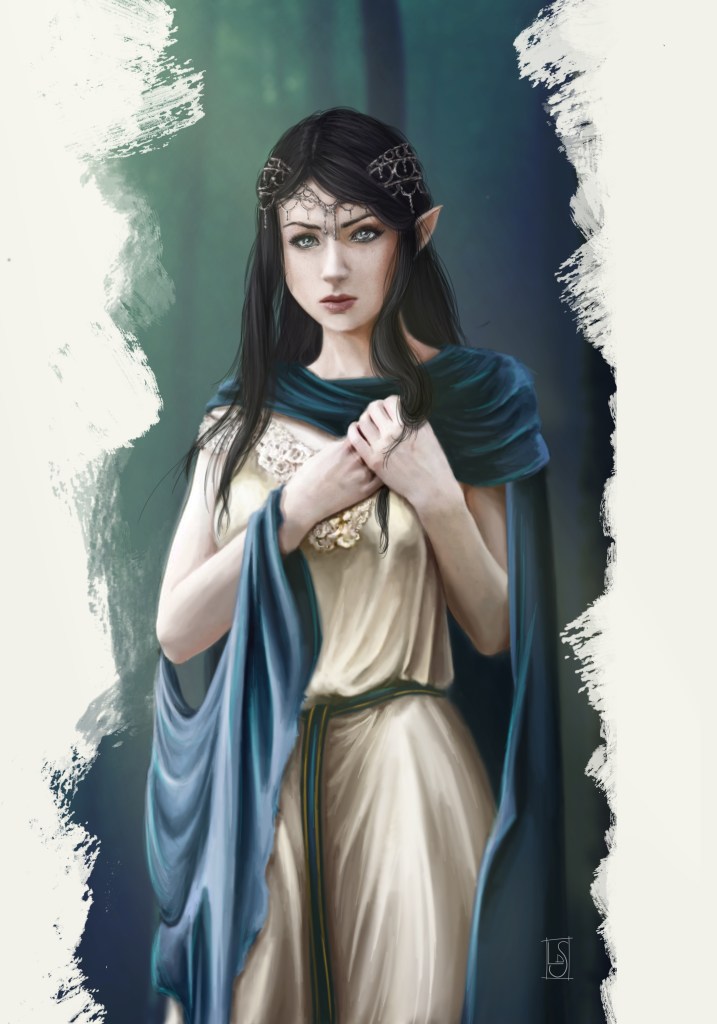
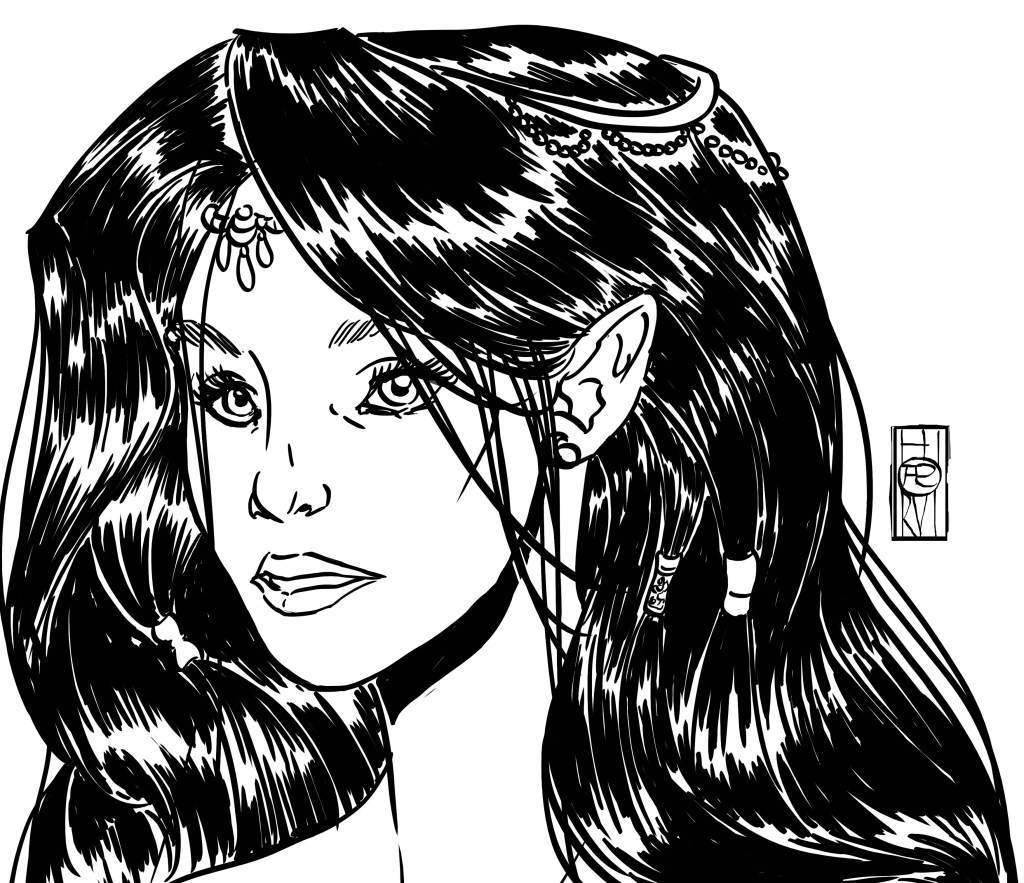
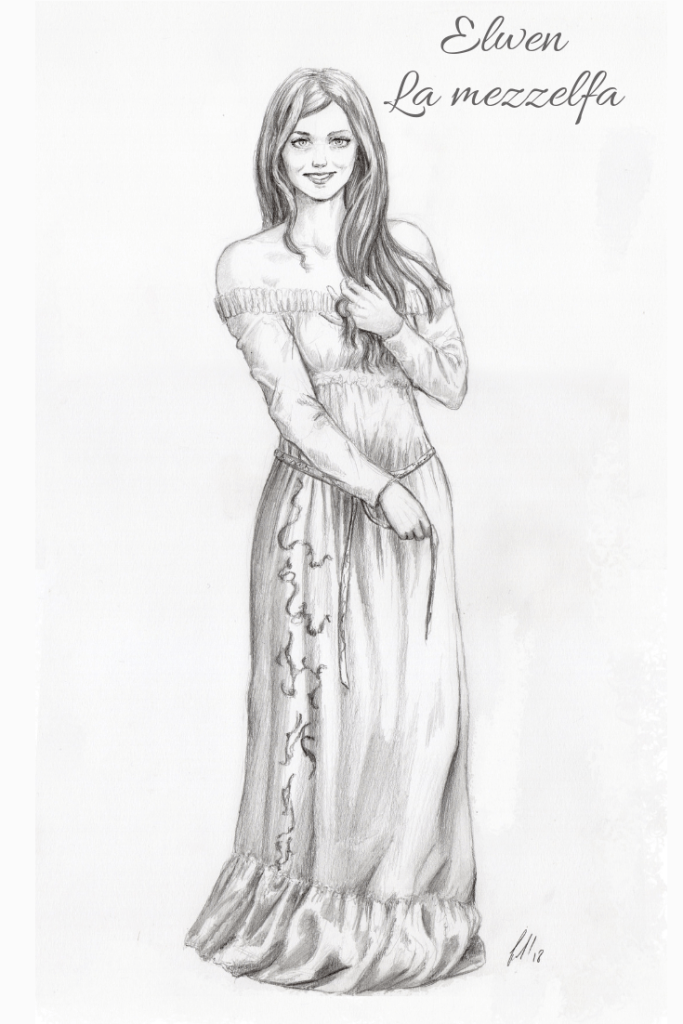
today I present the other female protagonist of my stories. Her name is Elwen, which in the language of the Elves means “maiden of the stars”.

Half-elf, daughter of an Elf Noldo and a Numenorean. She met Erfea when he took refuge in Edhellond, the city in which he lived, to escape from the servants of Pharazon. After entering into a romantic relationship with Erfea, Elwen was deceived by the elven sire of that city, Morwin, who seduced and married her, convincing her to choose the immortality of her species. After discovering Morwin’s deceptions and making peace with Erfea, Elwen chose to spend her life with him, divorcing her husband. The story tells that she did not arrive at the Sea where Erfea was waiting for her and her end is unknown to all, except Erfea himself, who only mentioned it to Celebrian. It appears in the following stories: The Sailor and the Half-elf; The Sailor and the Great Battle; Birth of a cold star; The Infamous Oath.

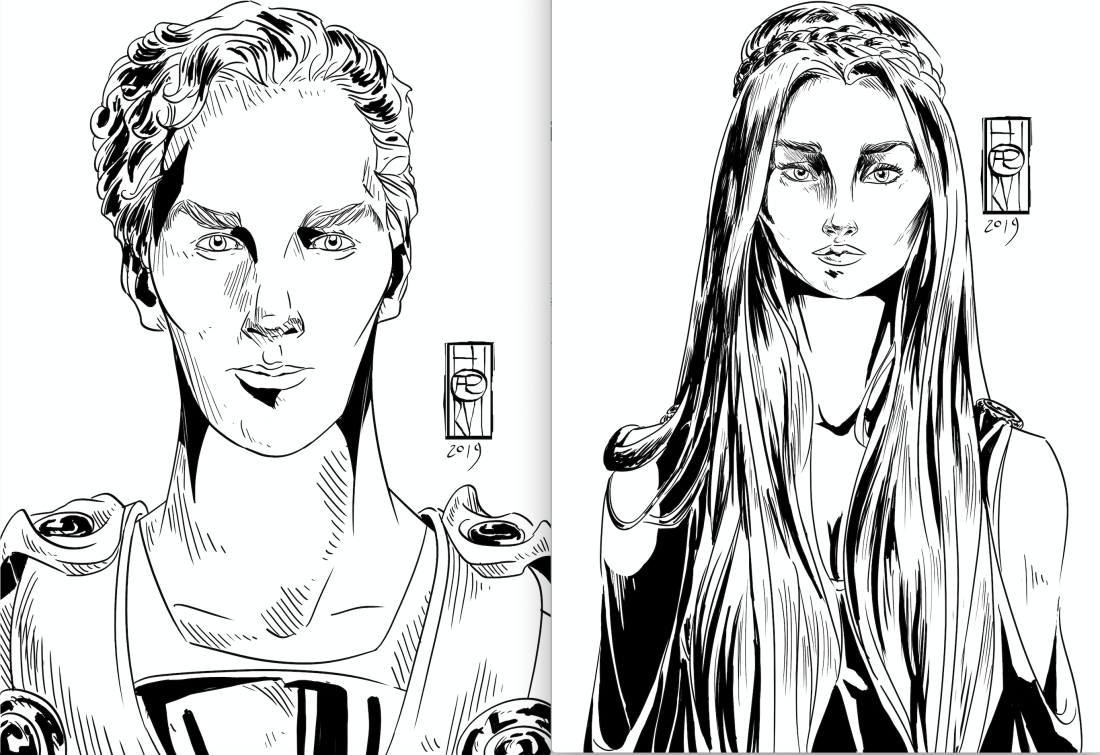
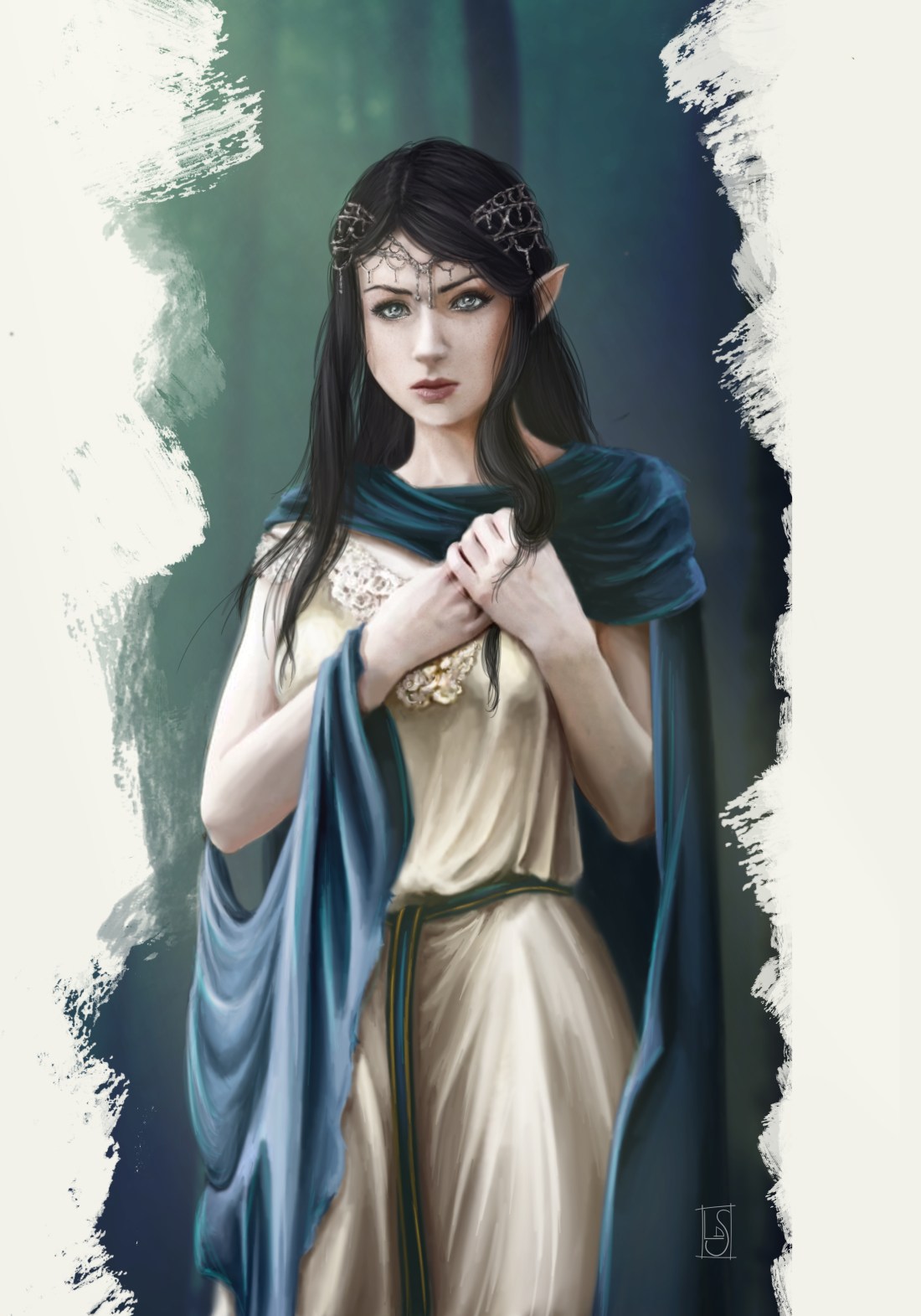
Which of the following publications that portrays her do you like best?

Elwen, by Lidia de Simone
Elwen by Anna Francesca Schiraldi
Elwen, by Fabio Porfidia

To know more…

Ritratti – Elwen di Edhellond

Ritratti – Elwen

Elwen la Mezzelfa

Dizionario dei personaggi de «Il Ciclo del Marinaio»

I dubbi di una scelta difficile: Elwen, Morwin ed Erfea

Nascita di una stella fredda

Il nemico del mio nemico…è mio nemico

L’assedio di Edhellond